“All men are equal before fish.” ~Herbert Hoover
We fishermen have a saying, “wood is good,” which propagates itself on the nature of its mellifluous, rhyming property. A more accurate statement would be “structure is good,” but that doesn’t roll off the tongue nearly as nicely.
The point, however, is that structure holds fish. More than that, structure holds fish in warm water, in cold water, in deep water, in shallow water, in saltwater, in freshwater, in still water, in moving water, and in all types and forms and nature of water in between.
You get the picture. If you find the structure, you will find the fish, and that maxim applies to far more species than it doesn’t.
With that said, I’ve compiled some types of structure you can target, whether you are casting to trout, bass, pike, fluke, tautog, or something else.
In Freshwater
Most bodies of freshwater accessible to most fishermen are considerably smaller and therefore restricted in size and scope than their saltwater counterparts. Therefore it is often easier as a sweetwater angler to find the structure that holds fish.
Even so, you should know what to look for. Here are some of the best types of structure you will encounter in ditches, ponds, lakes, creeks, streams, rivers, and any other freshwater.
Submerged and Partially Submerged Rocks
Rocks, whether entirely or partially submerged, present excellent structure. For one, they present a break in any current, which gives baitfish shelter and predators a place to hide. For another, invertebrates often cling to (or live under) rocks, yielding up quite a buffet.
Submerged and Partially Submerged Logs
Logs, like rocks, offer excellent shelter, for the same exact reasons. They shelter bait, harbor food, and give predators a place to ambush. There is, however, one unique aspect of logs that rocks don’t have. Wood can float but rocks sink. This means that there can be wood or logs that overhang the water, under which there is shelter. Present your bait to a partially submerged log and often you will find a predator come swinging out from underneath.
Downed Trees
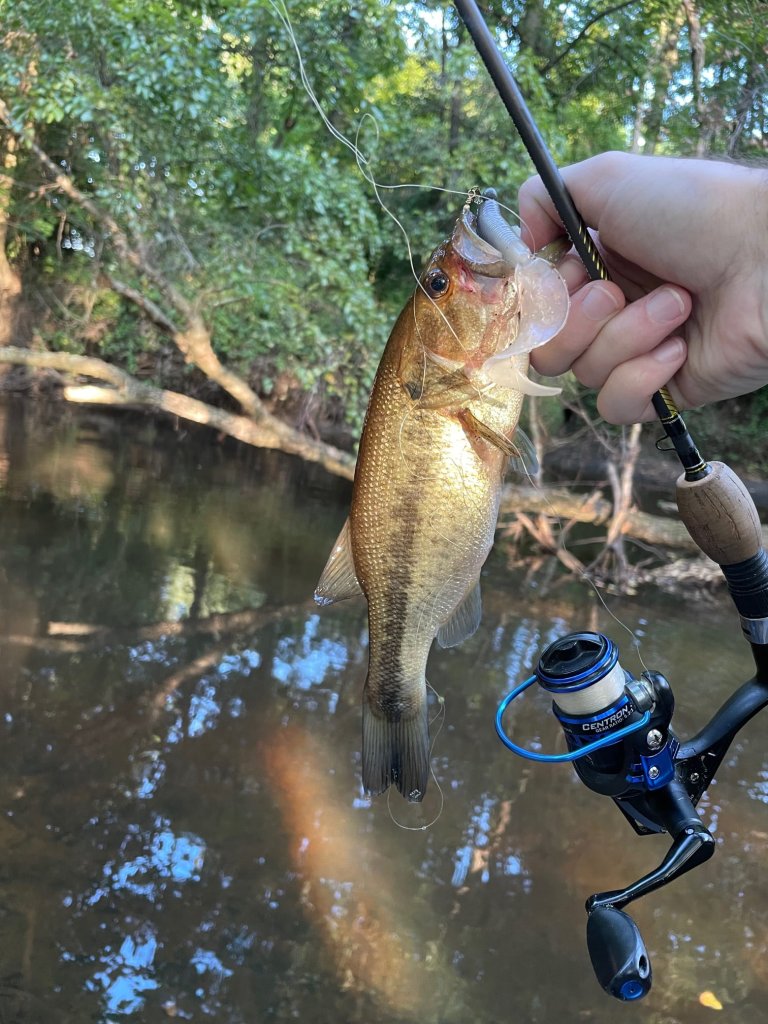
Downed trees offer much more surface area than submerged and partially submerged logs, which offers fish not just a place to hide, but more of it. There is often quite a density of bait hovering around downed trees in the form of fry, baitfish and invertebrates, serving up plenty of opportunities to hook a larger predatory gamefish.
Weeds and Vegetation
Weeds and submerged vegetation offer cover for predators and plenty of space to hide for prey. Also, weeds oxygenate the water and can provide shade to hide fish from birds and other overhead threads. For some fish, weeds also provide camouflage concealment.
Docks and Piles
Docks and piles are basically manmade submerged logs, but all the same they will hold fish. A common largemouth technique is to cast right to the edge of, or underneath a dock, let the lure sit or fall for a second, then twitch it; and hang on.
Pools
You might not think of a pool as structure since it is inherently water, but the thing is that pools are areas where the water is a little bit deeper, which encourages larger, often solitary predators to lurk in the depths, waiting to ambush bait that straight too near.
Riffles
Riffles are areas in moving water where the flow is slightly disrupted, often because there is a rapid change in depth, or because there is an interposing rock or log. Riffles can also be effective areas to target, especially for fish that like moving water.
Tributaries and Inlets
In creeks and rivers, areas where smaller waterways discharge into the main channel also prove good structure. These inlets often carry small bait in the current, which is swept right into the waiting maw of predators lurking nearby.
Overhangs
Overhangs can be caused by many different sorts of structure, like trees, docks and bridges, but in any case, the shade created is magnetic not just to baitfish but to the predators that lie in wait for them.
Outside Bends and Undercuts
In creeks and streams, outside bends are often deeper than inside bends, especially where the bank has fallen away, and where the current keeps eroding the creekbed. These areas, being deeper, often shelter larger predatory fish waiting to ambush smaller fish that get overwhelmed by the current.
Dropoffs
Dropoffs are areas on the bottom of a lake or river where the depth suddenly changes. These are areas where gamefish tend to congregate in ambush, but they can be difficult to target as they are usually broad and sometimes are poorly defined compared to the other types of structure covered here.
Riprap
Riprap, which is basically a bunch of rocks, sticks, or other debris strewn across the bottom, can be some of the most productive structure out there as its jagged edges and irregularities offer all different species of fish and bait places to hide. The one caution is that riprap is some of the snaggiest structure out there, so be careful with your presentation.
Saltwater: In the Back
In the realm of saltwater fishing, we can break out the types of structure you are liable to encounter in the bay (or the back) and the ocean (out front). There is some crossover but there are types of structure that are more or less unique to each.
Channels
Channels are deeper areas of bays and estuaries that are dredged to allows the passage of vessels. The currents are more powerful in channels, and the dropoffs along the edges of channels present structure on which fluke and other predator fish will lay in wait.
Dropoffs and Holes
Check any chart of your local waterways for areas where there are holes in the bay bed. Sometimes these holes can be dramatically deeper than the surrounding water, by 20 or 30 feet or even more. Gamefish will congregate in and around the edges of these holes, waiting to ambush baitfish – or your bucktail.
Docks and Piles
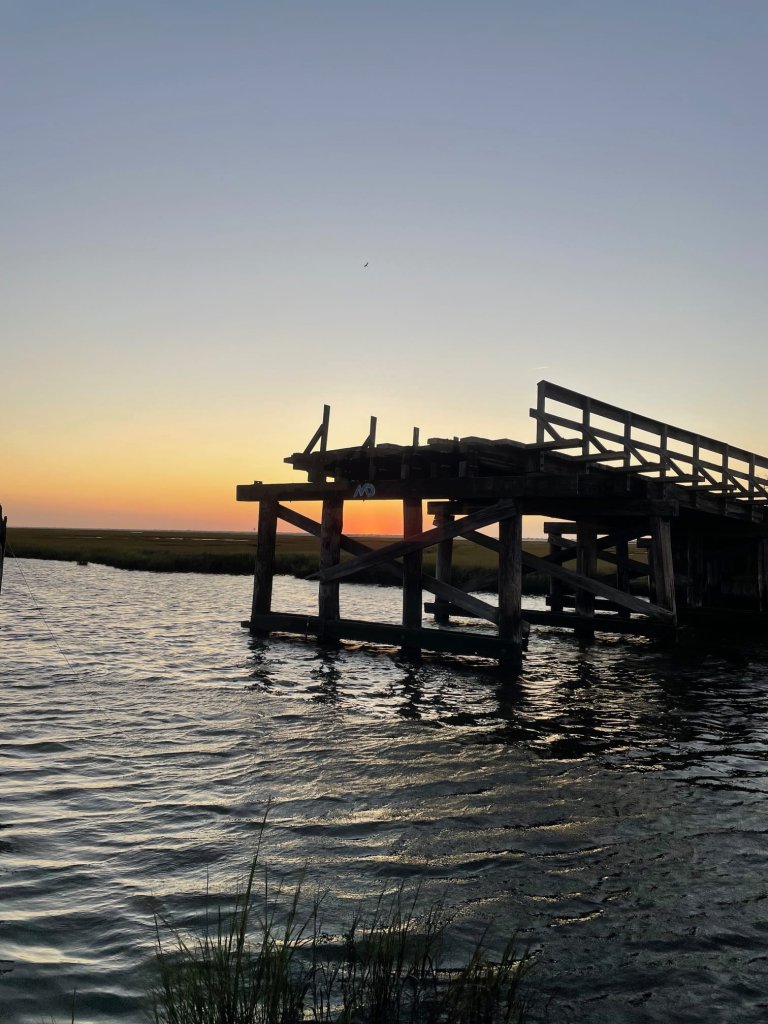
Docks and piles present the exact same structure in saltwater that they do in freshwater. The only difference is in the lures you will present and the fish you will be targeting.
Salt Flat Banks
In some bays, there are broad, relatively shallow flat banks that are either always submerged or which are only submerged at high tide. Some of these banks will have eelgrass growing along them, which yields even more structure for bait and predators. Fish that school when they are immature will often congregate around flats like these for the relative protection the shallow water offers.
Wrecks and Submerged Debris
This is not exclusive to bays, as there are wrecks and reefs in the ocean, too, but in either case, they produce some of the best structure in saltwater, and tons and tons of species will congregate around them, from sea bass to fluke to weakfish and other species – too many for me to name here. Like riprap in freshwater, though, wrecks and reefs are unbelievably snaggy, so be careful with your presentation and be very prepared to lose at least a few rigs or lures.
Salt: In the Front
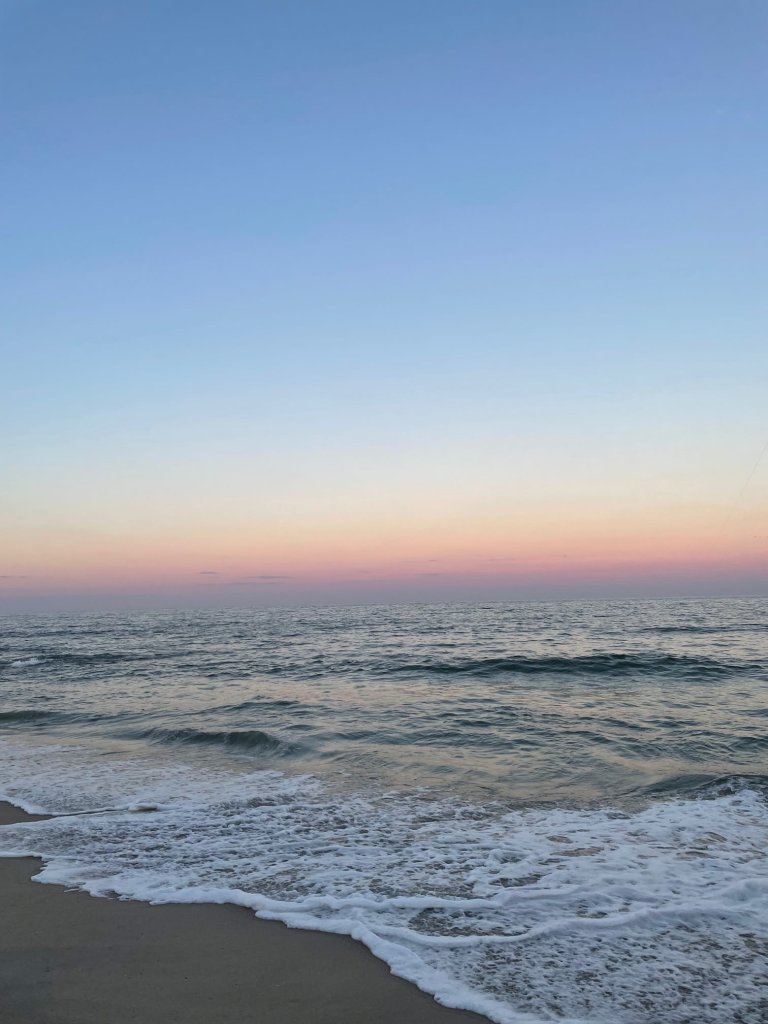
Though it might not look like it, there is structure to target in the ocean as well, some of which will be covered here.
Troughs
Troughs are formed primarily as a result of tidal action in the intertidal zone; troughs are generally still underwater at low tide and fill the spaces between the bars at high tide. These deeper areas of water in the surf can be productive at low tide but tend to be even better when the water is deeper. Troughs typically shelter fluke, kingfish and spot. Coarse fish like sea robins, skates, rays and dogfish also cruise up and down the troughs looking for food.
Jetties and Rocks
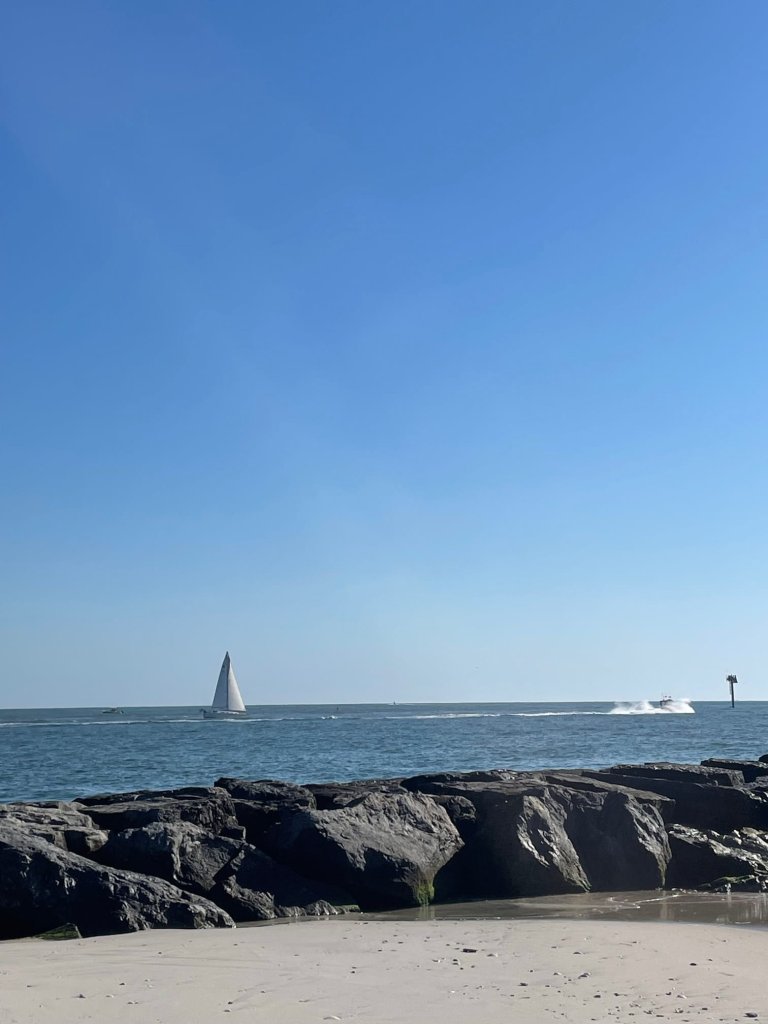
Jetties and other rocks are the easiest structure to identify in the surf and they’re a magnet for fish. In my area, both tautog and fluke will be drawn towards jetties as steel to a magnet. They’re among the first places I target when conditions allow.
Reefs and Wrecks
Reefs and wrecks cannot typically be reached within casting distance from shore but nonetheless they represent really good offshore structure. Anytime you have the luxury of fishing from a boat, these should be some of the first spots you target. They hold tons of species including but not limited to tog, fluke, black sea bass, and much more.
Piers
Both piers and docks in saltwater can provider a multitude of species with plenty of structure and shelter. Piers can be effectively worked from overhead as well as cast to from the surf.
Inlets
Inlets themselves are not just a geographic landform, but structure. The mouths of inlets are battered by strong currents and often have rips, channels and other rocks that hold bait and predators. On the bayside of the inlet, there are often bars and deep channels that serve as structure as well. Inlets are some of the few areas where you can target species that are found either predominantly in the bay or in the ocean, and the near constant currents of inlets provide plenty of opportunities to follow bait and target the predators that school with them.
The Importance of Targeting Structure
I’ve already covered the importance of structure in passing in this post, but regardless of whether you fish in freshwater or in saltwater, and whether you target hard or soft structure, the fact of the matter is that structure provides shelter that hides both bait and gamefish, and if you can find the structure, you will find the fish.
Tight lines.
~The Eclectic Outfitter